

Differences Between Paint Correction and Ceramic Coating
When you look at your car in the sunlight, you can see the real condition of the paint. Swirl marks, light scratches, and dull spots are common, especially if you drive around London, Hounslow, and nearby towns where traffic, dust, and changing weather affect your vehicle daily.
Your car’s paint is not only about looks. It protects the metal underneath from moisture and contamination. When the surface becomes damaged, that protection weakens, and you start looking for solutions.
Paint correction and ceramic coating are two common options. While both improve appearance, they serve different purposes. If you are comparing paint correction vs ceramic coating, remember this: one fixes existing damage, and the other helps prevent future damage.
Differences Between Paint Correction and Ceramic Coating
The Main Purpose
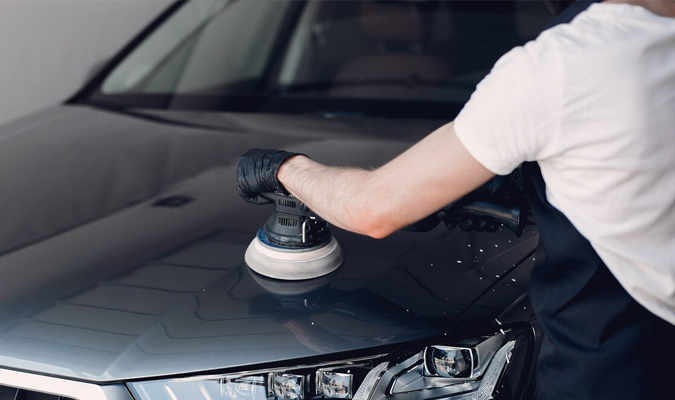
Paint correction focuses on repair. Over time, your vehicle develops surface defects in the clear coat. These defects include swirl marks from washing, minor scratches from daily use, oxidation, and water spots. Paint correction removes or reduces these imperfections by polishing the surface.
Ceramic coating focuses on protection. It does not remove scratches. Instead, it creates a bonded layer over the paint. This layer helps shield your vehicle from dirt, UV rays, and environmental contaminants.
When comparing paint correction and ceramic coating, ask yourself one question: Are you trying to fix existing damage, or protect your paint from new damage?
How Each Process Works
Paint correction involves machine polishing. A trained technician uses polishing compounds and pads to gently level the clear coat. This process removes a thin layer of clear coat to eliminate defects. It requires skill because removing too much material can cause damage.
Ceramic coating is applied as a liquid. After preparation, the coating bonds with the paint surface. Once cured, it forms a protective shell. The process must be done carefully to avoid streaks or uneven spots.
Both services require proper preparation, including washing and decontamination. However, paint correction is more labor-intensive because it directly alters the paint surface.
The Condition of Your Vehicle
You should consider the current state of your paint before choosing a service.
If your car looks dull or has visible swirl marks in direct sunlight, paint correction is often necessary. These defects cannot be hidden by ceramic coating.
Ceramic coating works best on paint that is already in good condition. If you apply a coating over scratched paint, those scratches will still be visible.
Many professionals recommend correction first and coating second. This approach restores clarity and then protects it.
Level of Protection
Paint correction improves appearance but does not add protection. After polishing, your paint becomes smoother and clearer. However, it remains exposed to the same environmental risks.
Ceramic coating adds an additional layer of protection. It helps protect against:
- UV damage
- Road grime
- Light chemical stains
- Bird droppings
- Water spotting
If you park your vehicle outside in London, Hounslow, exposure to rain and pollution can wear down untreated paint. Ceramic coating helps reduce that impact.
Understanding paint correction vs ceramic coating helps you avoid expecting protection from a service that only restores appearance.
Durability Over Time
Paint correction results depend on how you maintain your vehicle. If you continue to use harsh washing methods or automated car washes, swirl marks may return.
Ceramic coating is designed for long-term durability. With proper care, it can last for years. However, it does not make your car scratch-proof. It simply creates a stronger surface barrier.
You still need to wash your vehicle properly. The coating makes maintenance easier but does not replace routine care.
Maintenance Differences
After paint correction, you must be careful when cleaning your vehicle. Using microfiber towels and proper washing techniques helps preserve the finish.
Ceramic coating creates a hydrophobic surface. Water beads up and rolls off more easily. Dirt has a harder time sticking to the paint. As a result, cleaning takes less effort.
This is one reason many drivers choose coating after correction. The restored shine stays easier to maintain.
Cost and Value
The cost of paint correction depends on the level of damage. A vehicle with heavy swirl marks requires more polishing time than one with light defects.
Ceramic coating costs depend on product quality and vehicle size. Since coating often follows correction, many vehicle owners combine both services.
When evaluating paint correction versus ceramic coating, consider value over price. If your paint is already damaged, skipping correction may limit the final result.
When You Need Both Services
In many real-world situations, you benefit from both services together.
If your vehicle shows signs of wear, correction restores clarity. Once restored, the ceramic coating locks in the improved finish and provides protection.
This combination is common in detailing centers around London, Hounslow, and nearby towns. Daily driving conditions make long-term protection important.
If you want your vehicle to look clean and stay easier to maintain, correction followed by coating is often the practical approach.
Long-Term Appearance Goals
You should also think about your long-term plans.
If you plan to sell your car, paint correction can improve its visual appeal. A clean finish can leave a strong impression on buyers.
If you plan to keep your car for several years, ceramic coating can help preserve the paint.
Your decision depends on whether your focus is short-term improvement or long-term protection.
Bottom Line
Paint correction and ceramic coating serve different purposes for your vehicle’s exterior. Paint correction removes swirl marks, light scratches, and dullness by refining the clear coat. Ceramic coating adds a protective layer that helps guard against UV rays, dirt, and contamination.
If your paint has visible damage, correction should be the first step. If you want long-term protection and easier cleaning, consider a ceramic coating.
For drivers in London, Hounslow, and nearby areas, Beyond Just Service offers treatments tailored to your vehicle’s condition. When you understand the difference between paint correction and ceramic coating, you can choose the right solution to protect and maintain your car’s finish.