

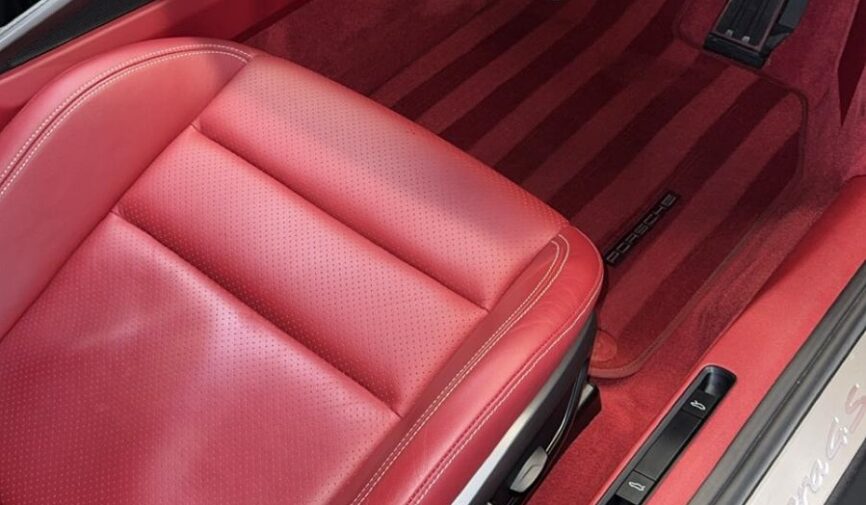
Leather vs. Fabric: Different Valeting Techniques for Different Seats
When you sit in your car every day, you may not notice how much your seats go through. Dust settles in. Food crumbs fall between cushions. Drinks spill. Over time, all of this builds up. If you do not clean your seats properly, they can wear out faster than you expect.
If you live in London, Hounslow, or nearby London areas, your car likely faces daily traffic, road dust, and changing weather.
These factors affect your interior just as much as your exterior. Seats are among the most frequently used components of your vehicle, so they deserve proper care.
Leather and fabric seats may look similar at first, but they behave very differently. Each one needs its own cleaning method.
If you treat them the same way, you could cause damage without realising it. Understanding the difference helps you protect your vehicle and maintain its value over time.
Below, you will learn how leather and fabric seats should be cleaned, why technique matters, and how proper valeting helps keep your car’s interior in good condition.
Also Read: Is Car Detailing Really Worth the Money?
Leather vs. Fabric Seats: The Right Valeting Method for Each Type
Understanding How Each Material Reacts
Leather has a smooth surface. Most dirt stays on top. It does not absorb spills quickly, but if liquid sits too long, it can stain or leave marks. Heat and sunlight can also dry it out.
Fabric seats are made from woven fibres. These fibres trap dust and crumbs deep inside. When liquid spills on fabric, it absorbs quickly. This makes stains harder to remove.
Because of these differences, the cleaning process must be tailored to the material. A method that works for fabric may damage leather, and vice versa.
Proper Vacuuming Makes a Difference
Before any deep cleaning starts, vacuuming is important. For leather seats, you need a soft-bristled attachment. This prevents scratches.
You should pay close attention to seams and edges where dirt tends to collect. Fabric seats require stronger suction. Dirt settles deep into the fibres.
If you skip proper vacuuming, wet cleaning can push dirt further inside instead of removing it. This step may seem simple, but it prepares the seat for safe and effective cleaning.
Choosing the Right Cleaning Products
Leather needs pH-balanced cleaners. Strong household products can remove natural oils from the surface. When that happens, leather can dry out and crack. The cleaner should be applied to a microfiber cloth rather than poured directly onto the seat.
Fabric seats need stain-specific products. For example:
- Oil stains require degreasing solutions
- Coffee or soda stains may need enzyme-based cleaners
- Mud requires pre-treatment before extraction
Using the wrong product can make a stain permanent. That is why trained professionals select solutions carefully during car valeting in West London.
Also Read: How Much Is a Full Car Valet in London
Managing Moisture the Right Way
Water control is critical for both seat types. Leather should never be soaked. Excess water can seep into the stitching and weaken the structure. Cleaning should involve light wiping with controlled moisture.
Fabric cleaning often involves shampooing or hot-water extraction. However, the amount of water must be controlled. If too much moisture remains, drying takes longer, and odour can develop.
In professional car valeting in London, Hounslow, technicians focus on moisture balance to prevent long-term problems.
Book A Professional Car Valet Service in West London
Steam Cleaning vs. Conditioning
Steam cleaning works well for fabric seats. High-temperature steam loosens dirt, reduces bacteria, and helps remove odours. It also uses less water than traditional shampoo methods.
Leather generally does not require steam. Instead, it needs conditioning after cleaning. Conditioner restores moisture that cleaning may remove. This keeps the surface flexible and reduces the risk of cracking.
Skipping conditioning may not show damage immediately, but over time leather can become stiff and worn.
Stain Removal Requires Patience
When you spill something on your seat, prompt action is essential. Fabric stains are treated based on the source. The cleaner is applied, gently agitated, and then extracted using professional tools.
Rubbing too hard can spread the stain or damage the fibres. Leather stains must be handled gently. Aggressive scrubbing can remove the finish layer. Soft cloths and controlled pressure are key.
If stains sit for too long, removal becomes more difficult. Regular care prevents this issue.
Drying Is Not Just a Final Step
After cleaning, drying must be handled properly. Leather dries faster because it does not absorb water deeply. Air-drying in a well-ventilated space is usually sufficient.
Fabric seats require more attention. Professional drying tools help remove trapped moisture. If seats remain damp, mould and odour can develop. Proper drying protects your health and keeps the interior fresh.
Long-Term Maintenance Protects Your Investment
Regular maintenance extends the life of your seats. Leather benefits from conditioning every few months. This keeps it soft and reduces surface cracks.
You should also avoid parking in direct sunlight for long periods when possible. Fabric seats benefit from routine vacuuming. Applying fabric protection can help resist future stains.
If you drive daily in busy London traffic, your interior may require more frequent cleaning due to dust and pollution.
Seat Condition Affects Resale Value
When you decide to sell your car, buyers notice the interior first. Cracked leather or stained fabric lowers buyer confidence. Clean seats indicate the vehicle has been well-maintained.
This can support stronger resale value. Professional valeting helps maintain both comfort and presentation. It also makes your daily drive more pleasant.
Also Read: How to Choose the Right Valeting Package Without Overpaying
Bottom Line
Your car seats are used daily and require the right cleaning method to stay in good shape. Leather requires gentle cleaning, limited moisture exposure, and regular conditioning. Fabric requires deep extraction, stain treatment, and complete drying.
When you understand the difference, you avoid common mistakes that can shorten your interior’s lifespan. Regular care improves hygiene, comfort, and long-term value.
If you live in London, Hounslow, or nearby London areas, choosing a professional service that understands these techniques makes a clear difference. Beyond Just Service offers interior valeting tailored to leather and fabric seats, helping you maintain a clean, well-cared-for vehicle.
Taking care of your seats is not only about appearance. It is about protecting your investment and enjoying a cleaner drive every day.